June 12, 2026
Building a new home starts long before concrete is poured or framing begins. One of the most important stages of residential construction happens at ground level, where the property is carefully prepared to support the structure for years to come. Proper site preparation helps create a stable foundation, improve drainage, and reduce the risk of long-term structural problems that can become expensive to repair later.
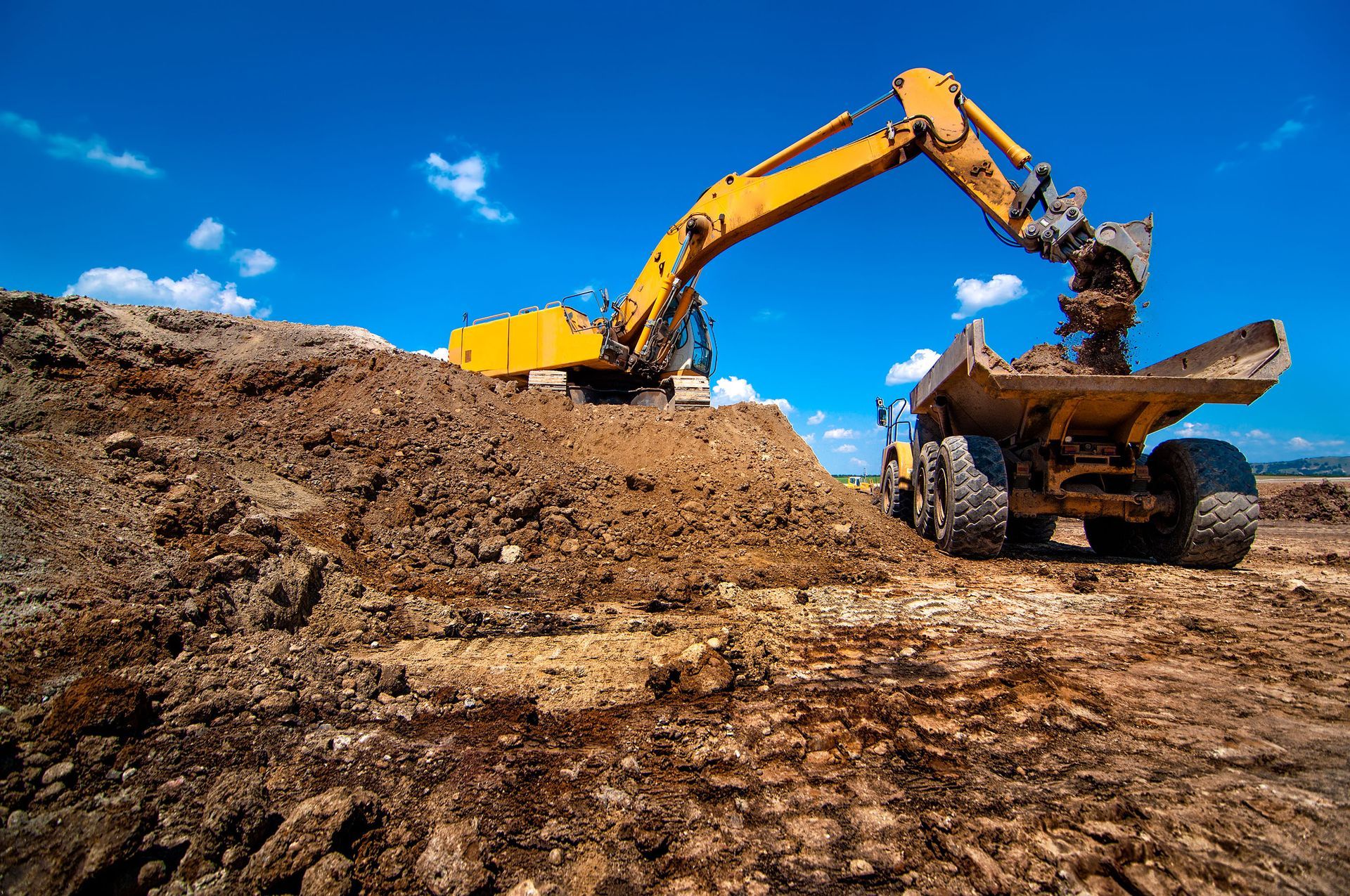
Professional excavation and grading services help shape and stabilize the property, enabling home builders to move forward with confidence. From clearing land and removing unsuitable soil to leveling building areas and controlling water flow, every step contributes to the safety and durability of the finished structure. Understanding how this process works can help property owners appreciate the importance of proper preparation before construction begins.
Preparing the Property Before Construction Begins
Evaluating the Site and Soil Conditions
Every construction project starts with a careful evaluation of the property. Excavation and grading contractors assess the land's slope, drainage patterns, vegetation, and soil conditions to determine the type of preparation necessary before building can begin. This evaluation helps identify challenges that may affect the stability of the future home.
Soil composition is especially important during this phase. Some soils expand when exposed to moisture, while others may shift or compact unevenly over time. If unstable soil remains beneath the foundation, the structure may eventually experience settling or cracking. Contractors often remove unsuitable material and replace it with compacted fill designed to provide better support.
The overall layout of the property also affects how the site will be prepared. Driveways, utility lines, landscaping plans, and drainage systems all influence the grading plan. Careful preparation allows the property to function efficiently once construction is complete.
Thorough site evaluations help reduce delays and unexpected issues later in the building process. Addressing potential concerns early creates a smoother path for the rest of the project.
Clearing and Excavating the Building Area
Once the property has been evaluated, contractors begin clearing and excavating the site. This process typically involves removing trees, brush, rocks, roots, and debris that could interfere with construction. Clearing the land creates a safe and accessible work area for crews and heavy equipment.
Excavation crews then begin reshaping the property according to the approved building plans. This may include digging for foundations, basements, crawl spaces, or utility installations. Accurate excavation is critical because even small errors can affect the alignment and stability of the structure.
The amount of excavation required depends on the condition of the land and the design of the home. Flat lots may require minimal adjustments, while sloped or uneven properties often involve more extensive earthmoving to create level building surfaces.
Professional excavation and grading contractors understand how to work efficiently while protecting nearby structures and surrounding areas. Their experience helps minimize disruption while ensuring the property is prepared correctly.
Creating Proper Drainage and Stable Foundations
Managing Water Flow Around the Property
Drainage is one of the most important aspects of residential site preparation. Without proper water management, rainwater can collect near the home and eventually lead to erosion, foundation damage, or moisture intrusion. Grading helps direct water away from the structure and toward safe drainage areas.
Contractors carefully shape the land to establish controlled water flow patterns across the property. Swales, slopes, and drainage pathways help move excess water away from vulnerable areas before it can create problems. Proper grading also helps reduce standing water in yards and landscaped areas.
According to This Old House, soil around a home's foundation should slope away roughly six inches over a span of 10 feet to encourage proper drainage away from the structure. This type of planning helps reduce long-term moisture concerns that could otherwise affect the integrity of the home.
Poor drainage can become increasingly expensive to correct after construction is complete. Addressing these concerns during site preparation helps protect both the home and the surrounding property for years to come.
Preparing and Compacting the Building Pad
After excavation is complete, contractors prepare the building pad that will support the foundation. This area must be carefully leveled and compacted to create a stable surface capable of supporting the structure evenly.
Compaction is a critical part of the process because loose soil can shift over time. If the ground beneath the home settles unevenly, it may lead to cracks in the foundation, uneven flooring, or structural stress. Contractors use specialized equipment to compact the soil to the proper density levels required for construction.
In some cases, additional fill material is brought in to improve stability or achieve the necessary elevation. Contractors may also remove weak soil and replace it with engineered material better suited for long-term support.
The strength of the building pad directly affects the durability of the finished home. Proper preparation helps reduce the likelihood of costly structural issues developing later.
Improving Property Functionality and Long-Term Performance
Controlling Erosion and Protecting the Landscape
Construction activity often exposes large sections of soil, increasing the risk of erosion during heavy rainfall. Without proper erosion control, loose soil can wash away from important areas and create instability across the property.
Contractors use a variety of methods to help stabilize the site throughout construction. Sloping techniques, drainage planning, and temporary barriers all help reduce the movement of soil during periods of runoff. These measures protect both the construction site and nearby properties from unnecessary damage.
Properties with steep grades or loose soil conditions may require additional stabilization methods to prevent future erosion. Maintaining soil stability is especially important near foundations, driveways, and retaining areas where movement could compromise structural integrity.
Experienced excavation and grading professionals understand how environmental conditions affect erosion risks. Their planning helps preserve the condition of the property throughout the building process.
Enhancing Usable Outdoor Space
Excavation and grading do more than prepare the land for construction. They also help shape the finished appearance and functionality of the property. Proper grading can transform uneven terrain into usable outdoor areas that better support landscaping, patios, walkways, and recreational spaces.
Level surfaces improve accessibility and create safer outdoor environments for homeowners and visitors. Well-planned grading also helps support healthier landscaping conditions by improving water distribution across the yard.
Properties with poor grading often experience ongoing drainage problems that make outdoor areas difficult to maintain. Strategic land shaping helps eliminate low spots where water collects and creates a cleaner, more attractive appearance.
Professional site preparation contributes to both the visual appeal and practical use of the property. Carefully planned contours help the land complement the overall design of the home.
Supporting a Smooth Construction Process
One of the most overlooked benefits of proper site preparation is the role it plays in keeping construction projects on schedule. When land is properly excavated, graded, and stabilized, builders can work more efficiently throughout the remaining phases of construction.
Stable work surfaces improve safety for crews and equipment while reducing delays caused by drainage or soil-related issues. Proper preparation also helps ensure foundations, driveways, and utility systems are installed correctly the first time.
Professional contractors coordinate closely with builders, engineers, and inspectors to make sure the site meets construction requirements before vertical building begins. Their attention to detail helps prevent unnecessary corrections later in the project.
Reliable excavation and grading work create the foundation for every stage that follows. Proper planning at the beginning of construction often leads to fewer complications throughout the entire project timeline.
Preparing a property for a new home requires careful planning, technical knowledge, and attention to detail. From evaluating soil conditions and excavating the site to managing drainage and stabilizing the building pad, every step contributes to the long-term performance of the structure. Proper preparation helps protect homes from water damage, erosion, and foundation problems that can develop over time.
Professional excavation and grading services provide far more than simple land clearing. They help create stable foundations, improve property functionality, and support a smoother construction process from start to finish. By investing in quality site preparation, homeowners can help ensure their new home is built on solid ground designed for lasting durability and performance. For reliable excavation and grading services you can count on for your new home, contact Master Builders by Bagsby Ranch!